All About Pink Lady Apples

All About Pink Lady Apples

Pink Lady Apples: Pretty in Pink with a Perfect Sweet-Tart Bite

Pink, crisp, juicy and just a little bit tart, Pink Lady® apples are hard to miss in the orchard! With their beautiful rosy-red skin and refreshing sweet-tart flavor, Pink Lady apples have become one of the most recognizable modern apple varieties. But here’s a fun fact: Pink Lady isn’t actually the variety’s name. The apple is technically called “Cripps Pink”, while Pink Lady is the trademarked name used for fruit that meets specific quality standards.

Whatever you call it, there’s no denying this apple has plenty of personality!

pink lady1

What Is a Pink Lady Apple?

Pink Lady® is the trademarked name for the apple variety “Cripps Pink”. Cripps Pink was developed in Western Australia in the 1970s by John Cripps. It came from a cross between Golden Delicious and Lady Williams, combining characteristics from both parent varieties. The result was an apple with an attractive pink blush, crisp texture, and a distinctive sweet-tart flavor. Pink Lady eventually became one of the early examples of an apple marketed under a specific brand name rather than simply by its variety name.

What Does a Pink Lady Apple Look Like?

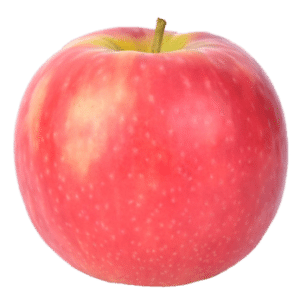
Pink Lady apples are usually medium-sized and have a rounded to slightly elongated shape. Their skin is one of their most recognizable features: a yellow-green background develops a beautiful pink to rosy-red blush, often with areas of deeper red. Inside, the flesh is pale cream to white and has a firm, crisp texture. The name really does fit! These apples look like they were dipped in a little bit of pink!

What Do Pink Lady Apples Taste Like?

Pink Lady is known for a sweet-tart flavor with noticeable acidity. The sweetness gives it a pleasant fruity character, while the tartness provides a refreshing little zing. Its firm, crisp and juicy texture makes it especially satisfying when eaten fresh. It’s a great choice if you’re someone who likes an apple that isn’t too sweet and isn’t too sour.

Pink Lady Apple

When Are Pink Lady Apples in Season?

Pink Lady is a late-season apple that requires a long growing season to develop properly. In warmer growing regions, harvest can occur in late fall. At Apple Holler, exact availability depends on our growing conditions and the season’s progression. Because Mother Nature makes the schedule, check Apple Holler’s current apple availability if Pink Lady is specifically on your picking list.

Pink Lady

What Are Pink Lady Apples Best Used For?

Pink Lady is especially delicious fresh, but its crisp texture and balanced flavor make it useful in the kitchen, too.

Try it for:

  • Fresh snacking
  • Lunchboxes
  • Salads
  • Fruit trays
  • Cheese boards
  • Baking
  • Applesauce
  • Juicing

Its combination of sweetness and acidity can add a bright flavor to recipes where a little tartness is welcome.

Why Is Pink Lady Called Pink Lady?

Here’s where things get interesting! Cripps Pink is the variety. Pink Lady is the trademark. Fruit marketed under the Pink Lady name has to meet specific quality requirements, including characteristics such as color and the balance between sugar and acidity. So when you see a Pink Lady apple, you’re not just looking at a particular variety, you’re also seeing the result of a specific quality standard.

The Golden Delicious Connection

If Golden Delicious is one of your favorite apples, you may notice something familiar about Pink Lady. That’s because Golden Delicious is one of its parents! The other parent, Lady Williams, contributes characteristics that help give Cripps Pink its distinctive coloring and flavor. It’s another great example of how breeders can combine characteristics from existing apples to create something completely new!

Pink Lady Apple Quick Facts

Variety: Cripps Pink

Brand Name: Pink Lady®

Origin: Western Australia

Developed: 1970s

Parentage: Golden Delicious × Lady Williams

Color: Pink to rosy-red over yellow-green

Flavor: Sweet-tart, crisp and refreshing

Texture: Firm, crisp and juicy

Season: Late season

Best For: Fresh eating, salads, snacking, baking and juicing